
I hesitate to set down words about this because in the coming hours some new petal of insanity will unfurl itself. And I am not the New York Times; I am not being paid to monitor and report on this ever-evolving cluster. But in the end, it was the Times that broke me. Today’s story on the purge – “Trump Names Loyalist Interim Leader of Kennedy Center as He Strengthens His Grip”1 – consists of little else besides regurgitation of posts from the President and reportage on website changes. A truly breathtaking number of leads are left unfollowed. There’s no meaningful analysis about what any of it means, what the consequences will be, or what the fucking laws are.
(However, they did employ the vocabulary word apparatchiks, so kudos.)
Look. The mainstream media has been absurdly slow to break this thing down. It may well turn into the final boss of non-profit governance apocalypses. And nobody’s treating it as such. So let’s start.
The Cursed Origins of the Purge
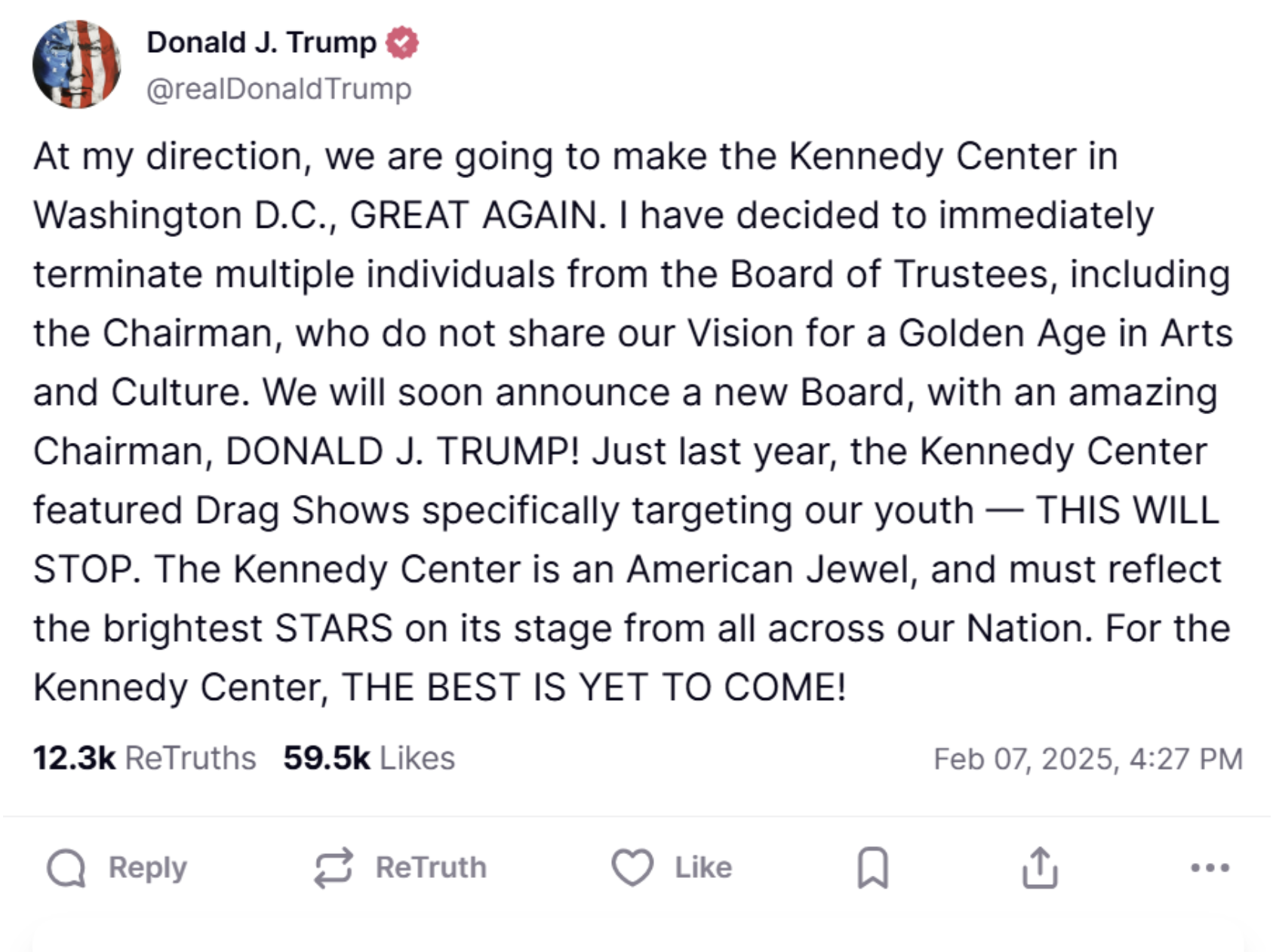
On 7 February 2025, the President of the United States truthed out on Truth Social his intention to name himself chairman of the Kennedy Center board and to terminate multiple board members.2
He did not explain under what authority he was doing this, aside from implying the well-known legal precedent “because I said so.”
I am not a lawyer. I cannot answer every question about what this means. I am also not the New York Times. I am not being paid to call up attorneys and ask their opinions. They wouldn’t return my calls if I did.
But I have read the part of the US Code that created the Kennedy Center. And I have spent the last thirteen years writing about orchestral politics and governance.
So let’s look at what the President is trying to accomplish here, what specific norms or portions of the US Code he might be flouting, the space for potential legal blowback, and the numerous downstream consequences of the Kennedy Center purge.
Let’s start with the makeup of the board.
The Makeup of the Kennedy Center Board
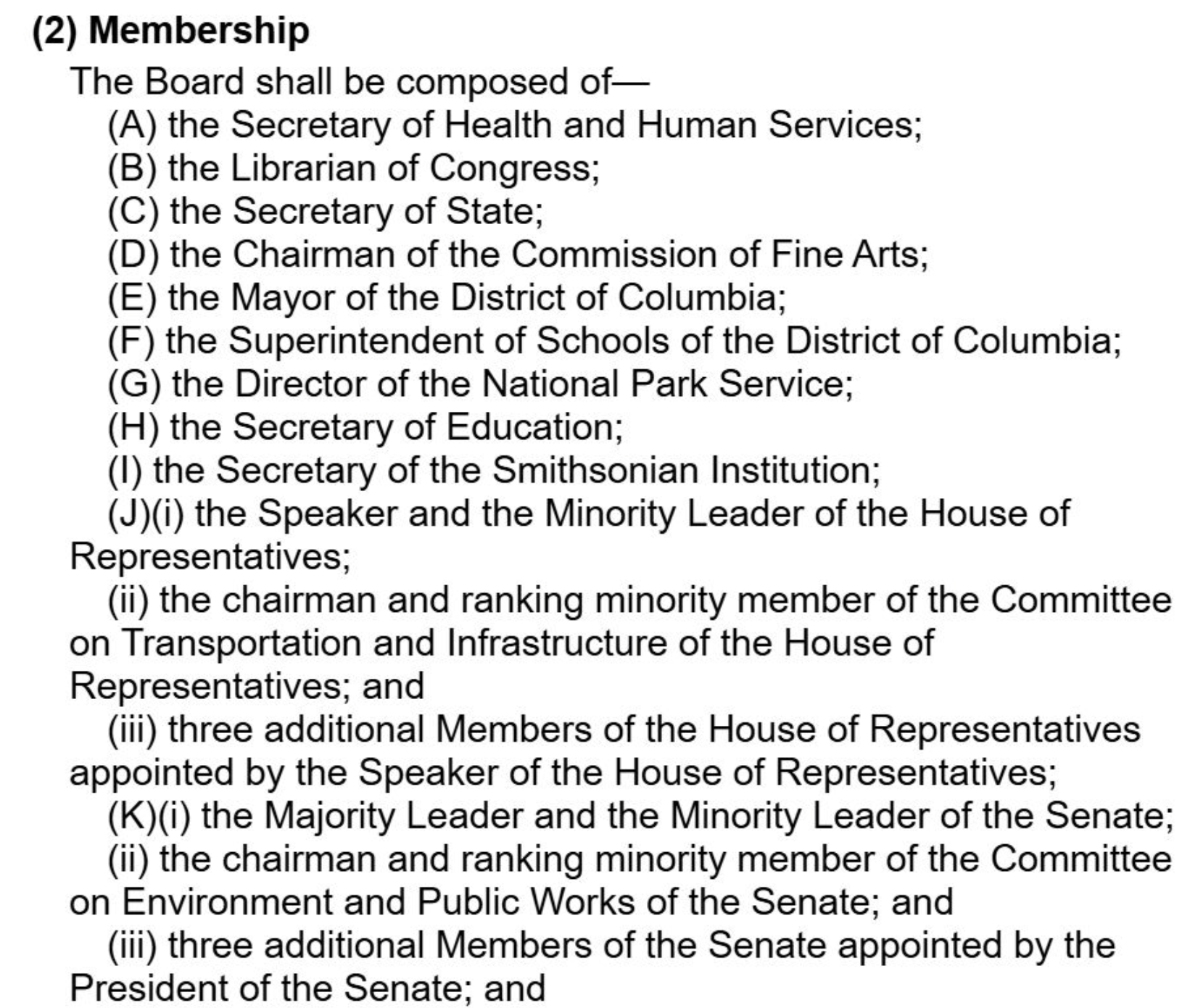
There are two types of trustees at the Kennedy Center. I’ll call them Group A and Group B.
Group A consists of 23 people hired for their positions or titles (i.e., they’re members of the cabinet, Senate, House, etc.).
Group B consists of 36 trustees appointed by the president, serving in staggered six-year terms.
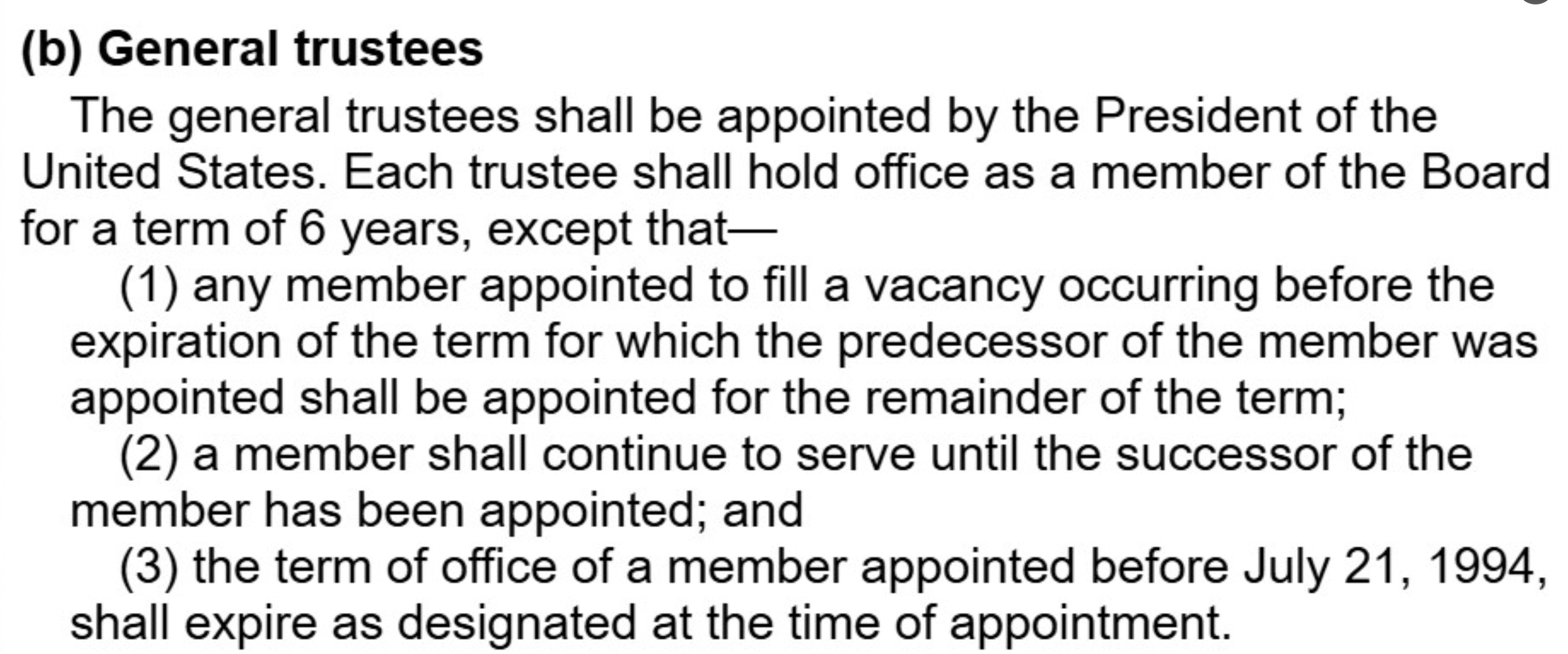
Right now Group B may (?) include trustees appointed by both Trump and Biden.
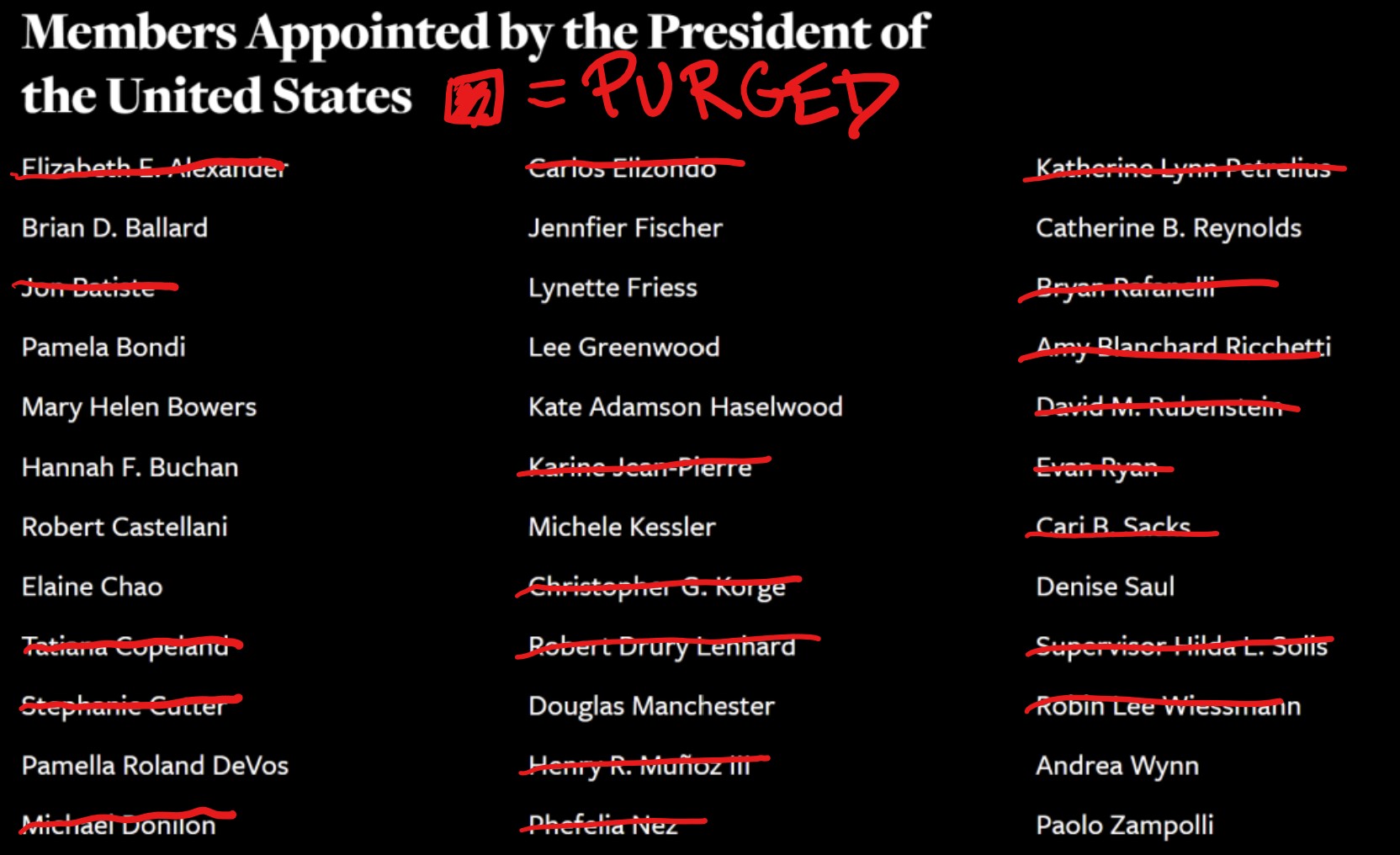
I say “may (?)” because as of 10 February, nineteen of the 36 trustees have been scrubbed from the Kennedy Center website, per the New York Times. 3
However, as of tonight, it’s unclear if this is just a website change, or if every single purge-ee has indeed sought legal counsel and accepted their fate.
There is nothing in the Code about the protocol for trustee dismissal if they don’t resign before the end of their term. That doesn’t mean that there isn’t established protocol about what to do in such a situation in D.C. (again, I’m not a lawyer!), but it’s not discussed in this part of the Code.
Here is a list of the makeup of Group B before the purge.
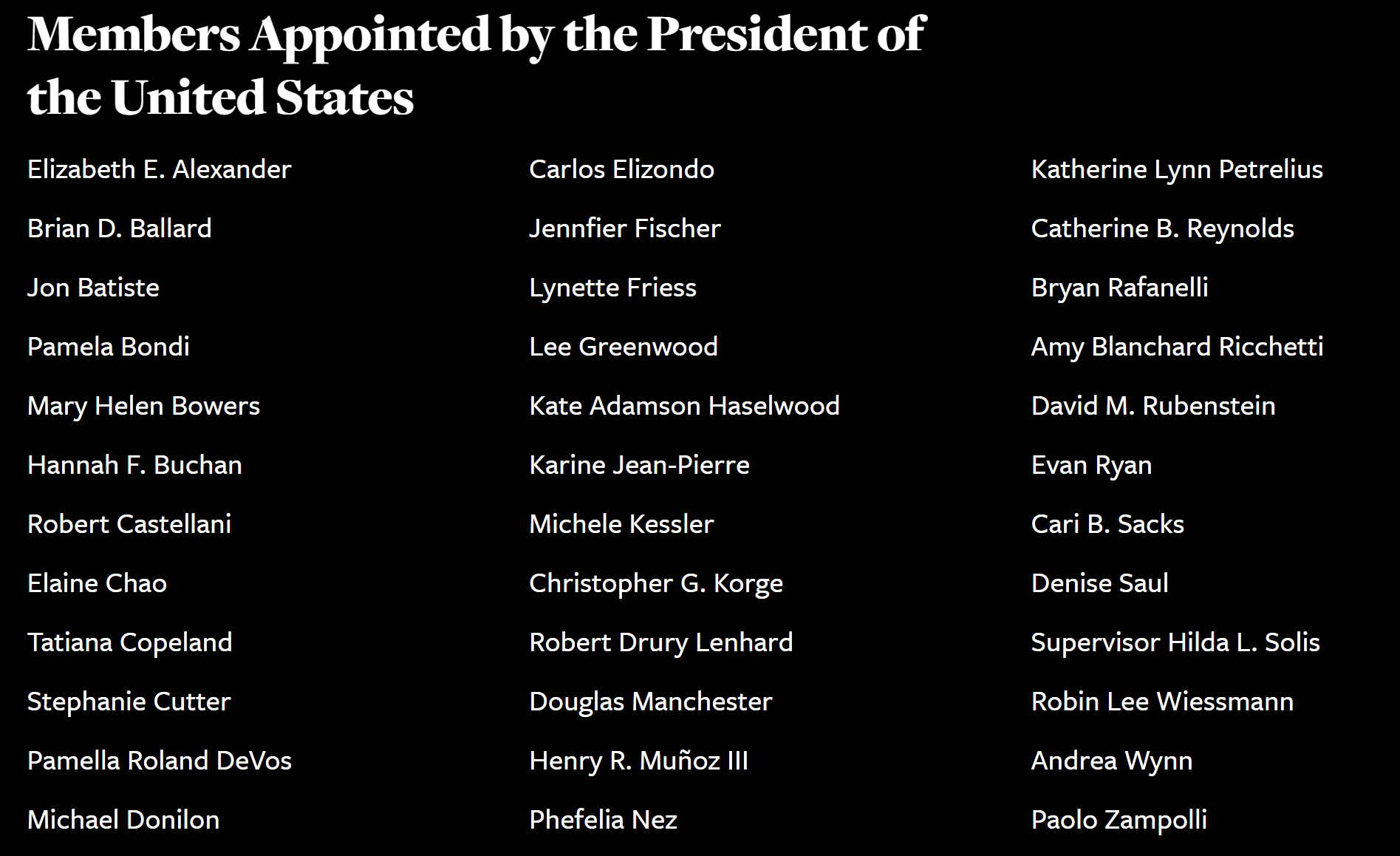
And here’s the list after:
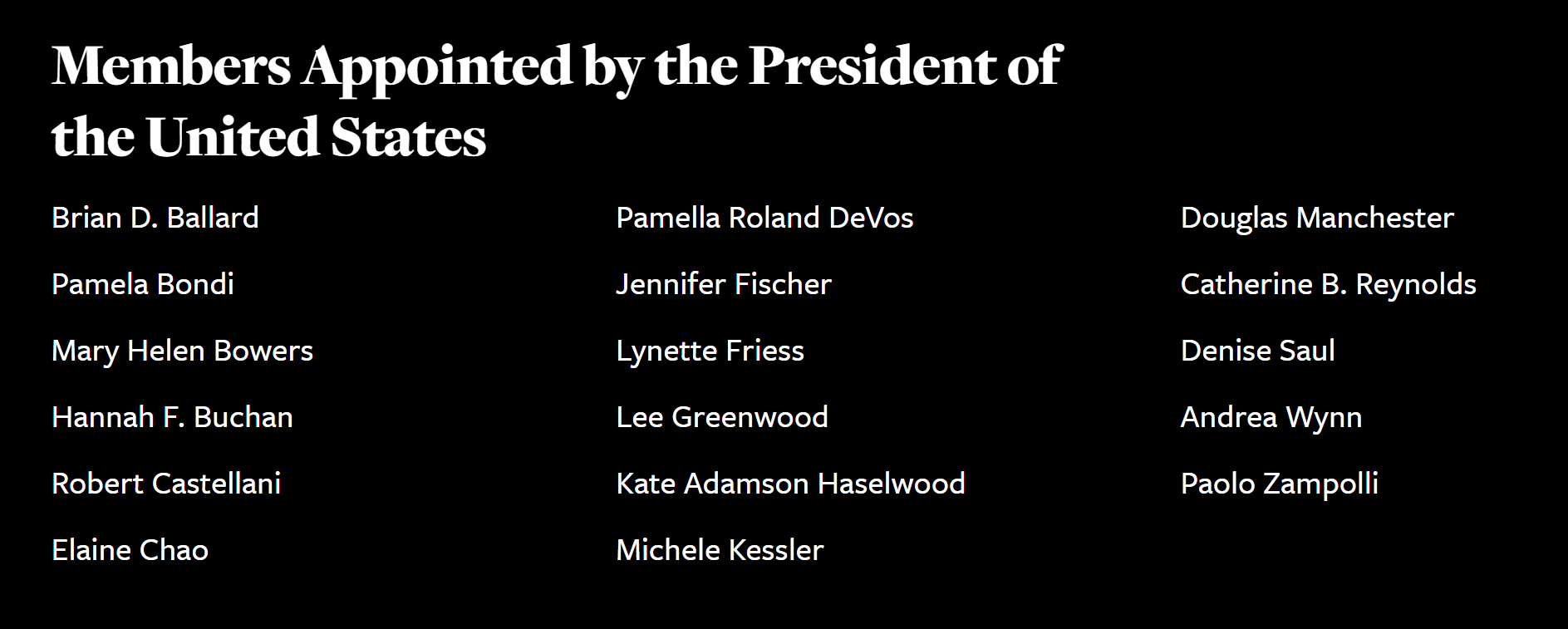
And here’s my marked-up version of who got purged:
The Advisory Committee on the Arts
There’s also another group at the Kennedy Center: the Advisory Committee on the Arts.
According to the Code, this committee is “composed of such members as the President of the United States may designate, to serve at the pleasure of the President.”
(Seeming to suggest, of course, that Groups A and B are not serving at the pleasure of the President.)
What role does the Advisory Committee play?
They “shall advise and consult with the Board and make recommendations to the Board regarding existing and prospective cultural activities to be carried out by the [Kennedy Center].” They’re also there to help with fundraising.
So! The President does have authority to appoint people to the Advisory Committee. But the Committee’s role is supportive and…well, advisory. It does not supercede the power of the board proper. And the President has not named anyone to it yet, anyway.
To me, its main relevance appears to be the language surrounding its establishment implying that Group A and Group B were not meant to serve at the pleasure of the president.
It also demonstrates how serious the President is about wanting to control programming completely. If his aim was solely to attempt to influence programming, he could have done that by following the Code and naming a whole crew of MAGA faithful to the Advisory Committee. He chose the nuclear option instead.
The Kennedy Center Statement
A few hours after the President truthed out the truth above, the Kennedy Center issued a delicate statement in response.
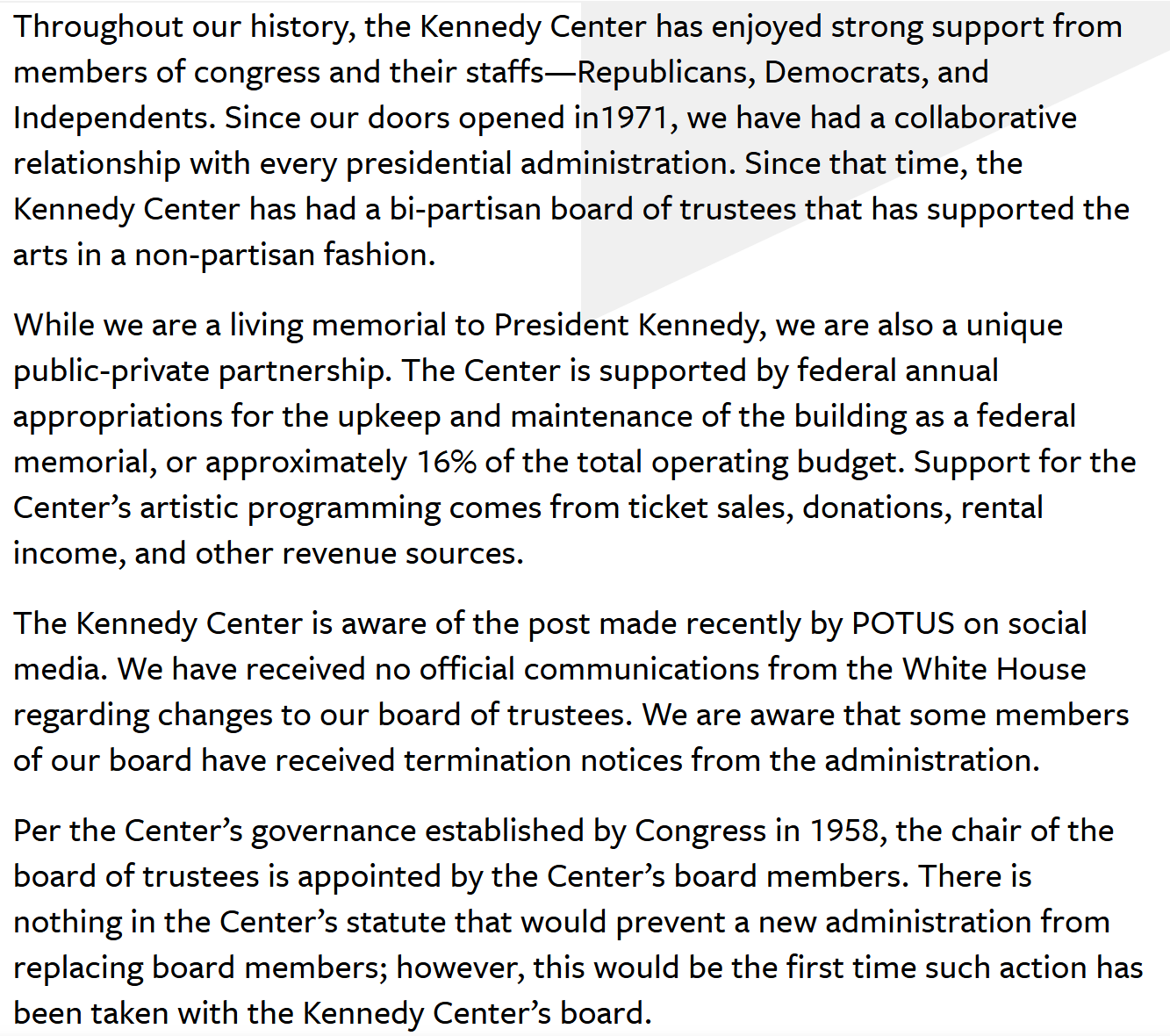
So basically, “The President can’t name himself chair, but mayyybe he can create a board that will, but we also hope that he doesn’t, because nobody’s ever done that before, and we desperately long to be non-partisan.”
Obviously this statement is leaving a lot unsaid, but I sketched out these initial takeaways in my notes app a couple of nights ago.
The statement starts by underlining the collaborative non-partisan nature of the Kennedy Center’s work with past administrations. Of course, on its own, this observation would be anodyne. But set against the context of the President’s Truth Social post, which asserts that a single government representative (i.e., “an amazing chairman, DONALD J. TRUMP!”) can dictate programming, it’s striking.
The statement emphasizes the sources of the Kennedy Center’s funding. The Kennedy Center is an idiosyncratic institution. It is its own creature: a public-private partnership unique unto itself, and itself only. As the statement notes, the federal government pays for building upkeep and maintenance, but its actual programming is meant to be funded by private sources. This is important.
Why include this particular information in this statement?
- Quiet pushback to the idea that the government has influenced “woke” programming in the past?
- A discreet reminder that the donor classes’ interests also have to be accounted for in future?
- A plea meant to blunt attacks on the organization in an era when all government institutions are under fire by a collection of douchebags and DOGE bros?
- All of the above?
The statement reiterates what the Code says: the chair is appointed by the board. They confirm that the President cannot name himself chairman. They are not abandoning the governance structure as set forth in the USC (yet, anyway).
However, they do admit a potential workaround: changing the voting members of the board to get the preordained election result the President wants. (Sounds familiar!)
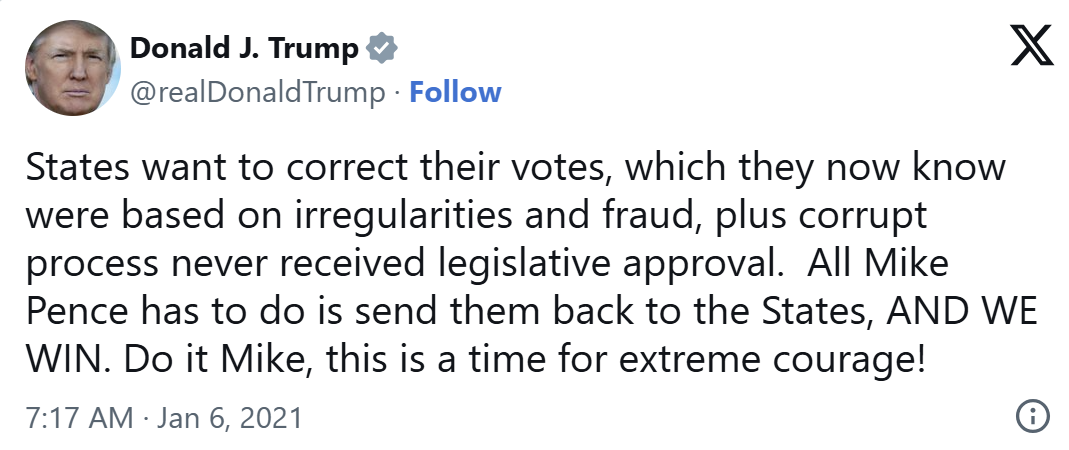
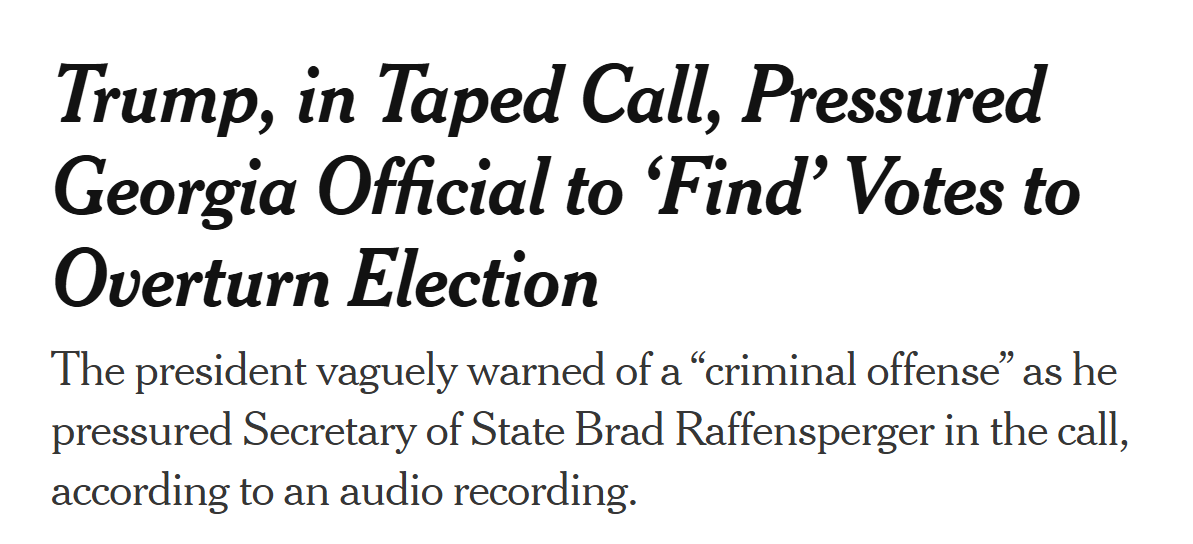
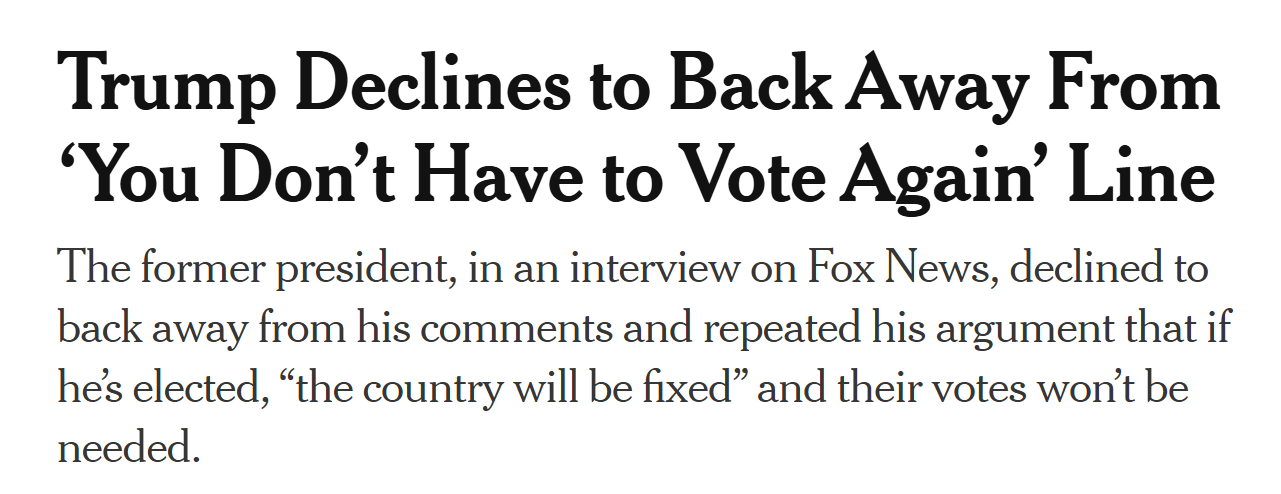
The Kennedy Center board could still find the votes, if Mike Pence has the courage.
Was this statement the Kennedy Center leadership immediately rolling over…or was it a tactical maneuver? Maybe they thought the best way to get POTUS to follow the law was to lay low and hope he forgot about them? If that was the play, it backfired. On the other hand, if the plan was always to roll over, that went marvelously.
My main question coming out of the statement was:
“There’s nothing that would prevent a new administration from replacing board members”…but what specifically allows an administration to fire them?
Maybe this will be answered by additional reporting, but I haven’t seen anyone address this question in detail yet. In a sane world, such reporting might be done by a large institution such as the New York Times.
If said reporting does materialize in the coming days, I’d prioritize the response of lawyers or reporters familiar with the Kennedy Center specifically, because of its aforementioned unique structure.
The statement ends with “[Replacing board members to affect a vote for chairman] would be the first time such action has been taken with the Kennedy Center’s board.” This appeal to The Norms has a real air of tragedy about it, especially as it echoes the theme of the statement’s opening sentence. Alas, this is the Finnegans Wake of sad PR statements: its ending is its beginning.
Inside the shrieking cesspool colloquially known as X, some folks have brought up the case Spicer v. Biden, an epic legal battle that you can look up on your own time. But to sum, it was a tussle between noted Dancing With the Stars alumnus Sean Spicer and the Biden administration, occurring after the latter attempted to remove the former from a position on the Board of Visitors for the Naval Academy. The courts ultimately decided that President Biden did indeed have the authority to dismiss Spicer.
Some conservatives have claimed that Spicer v. Biden is precedent for the Kennedy Center situation. A Kennedy Center spokesperson even cited the case to the Washington Post on 8 February. 4 But I’m not convinced yet that these situations are totally analogous. I’d like to hear more from lawyers who are well-versed in the structure of the Kennedy Center specifically to know the answer, or confirmation that the spokesperson had consulted a lawyer. This would be a line of questioning that I’d pursue if I worked at a large institution, such as, say, the New York Times.
This statement is walking on eggshells on a tightrope in high heels. It makes me think of an American Truck Simulator player trying to back up into a loading dock. They’ve got a decapitated board on one side, and shrieking major donors and powerful politicians on the other, and patrons and pundits tweeting that the blue sky is falling, and a huge clock ticking, and a circus tent across the street, and oh, also, there’s a mad king in the rearview mirror, and he’s screaming bloody murder about STARS! while jerking his arms in suggestive fashion to YMCA.
And amidst all that, here’s the Kennedy Center, seemingly just trying to back the damn truck up without damaging the cargo.
Oh, and Also, That Kennedy Center Statement Has Been Deleted
Yeah. That thing that I just spent a few hundred words dissecting? As of the evening of February tenth, it’s no longer on the website.
The direct link – formerly https://www.kennedy-center.org/kennedy-center-statement/ – now redirects to the homepage of the Kennedy Center, and the link through the News Room is currently showing up as this.
Even though the situation within the organization has been unnervingly opaque for the past 48 hours, this mysterious vanishing statement certainly implies some friction between the Trump administration and the Kennedy Center leadership: a battle that the leadership appears to be losing.
Cringily Quoting Ezra Klein At Length
One additional observation: Reporters are excited about apocalyptic Trumpian power grabs. Look at the headlines about this story from 7 February.
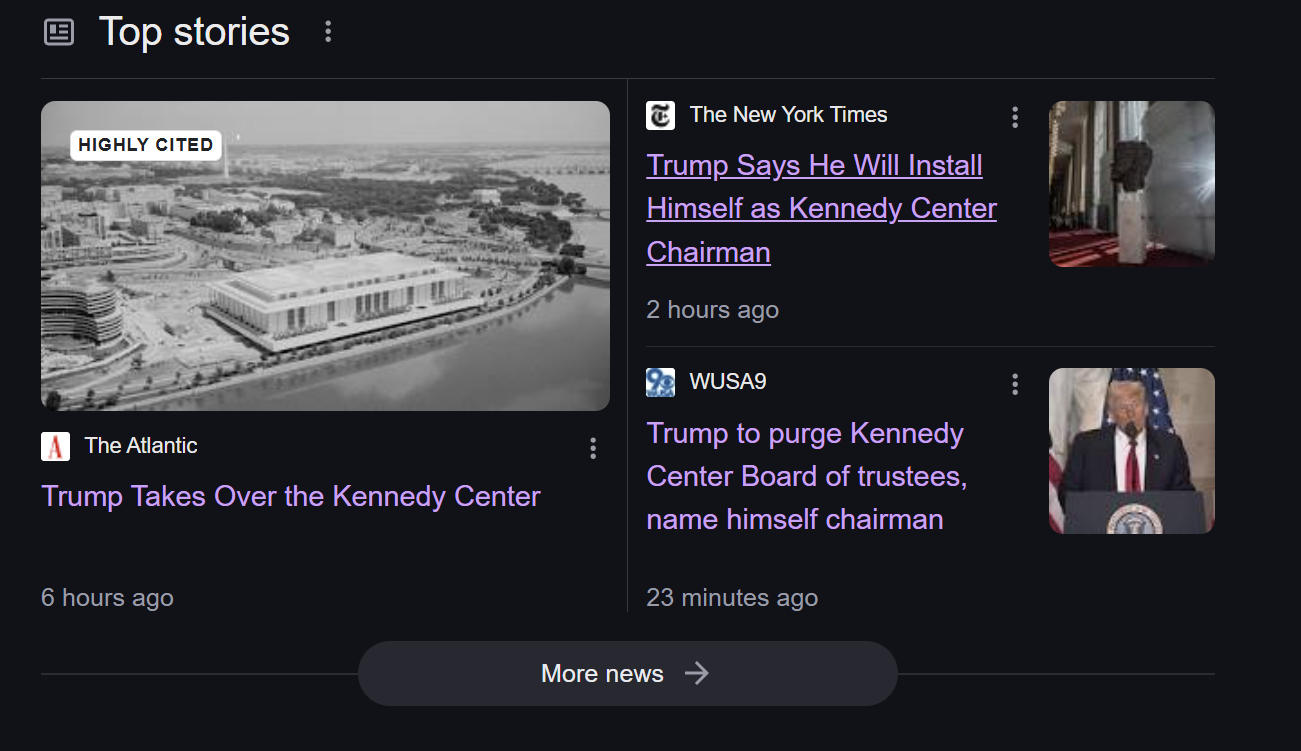
Now. As of the evening of 10 February, we can see that the Kennedy Center website has been altered, and certainly the President has truthed many things.
However. It’s still being reported out as “he did this,” without confirmation that he did actually do this. He didn’t install himself; he declared himself, and I think there’s a difference.
“I DECLARE CHAIRMANSHIPPPPPP!”
Does that mean the Kennedy Center purge won’t ultimately happen? No. Every passing day that we don’t hear about pushback, I think it’s more likely that the insanity is actualizing. But it’s always worth noting that what he says isn’t necessarily what is.
Ezra Klein said something on a podcast this week that reminded me of this situation. 5 (Yeah, yeah, I know. Throw tomatoes at me for keeping too many podcasts on in the background while I work.) But it felt applicable.
[Argument one] is about an orientation of opposition… I was watching many Democrats simply accept and treat as settled fact that he could do the things he was doing, instead of treating the things he was doing as somewhere between a power grab and a crime…
Don’t treat that as done. Treat that as provisional. Treat that as an effort he is making to change the settled order. So that’s one piece of it…
Any political system is in some ways a coordination and information game. And one thing authoritarians do — that is maybe the most important thing — is they get people to coordinate as if they are the authoritarian.
And so if Donald Trump can walk in, and upend the whole thing, and we just report on it as, “well, he did this and he did this and he did this and he did this,” as opposed to approaching it as “he is trying to do X, but that is going to be a fight; a contest; that’s going to go to the courts; that’s going to be a fight over government shutdown; that’s going to be a fight over a debt ceiling; that’s going to be a fight in the midterms,” etc. You want to keep this provisional, right?
If everybody begins saying well it’s done, he’s got all these powers…I think that is actually a kind of submission.
So Does This Matter? (Does Anything Matter?)
I’m seeing a lot of jokes about how we as a nation get to look forward to a Kennedy Center Honors ceremony featuring Kid Rock, Lee Greenwood, and Kanye West. And we may.
Obviously those kinds of jokes multiply after the President truths out something like this, which he did the other day.
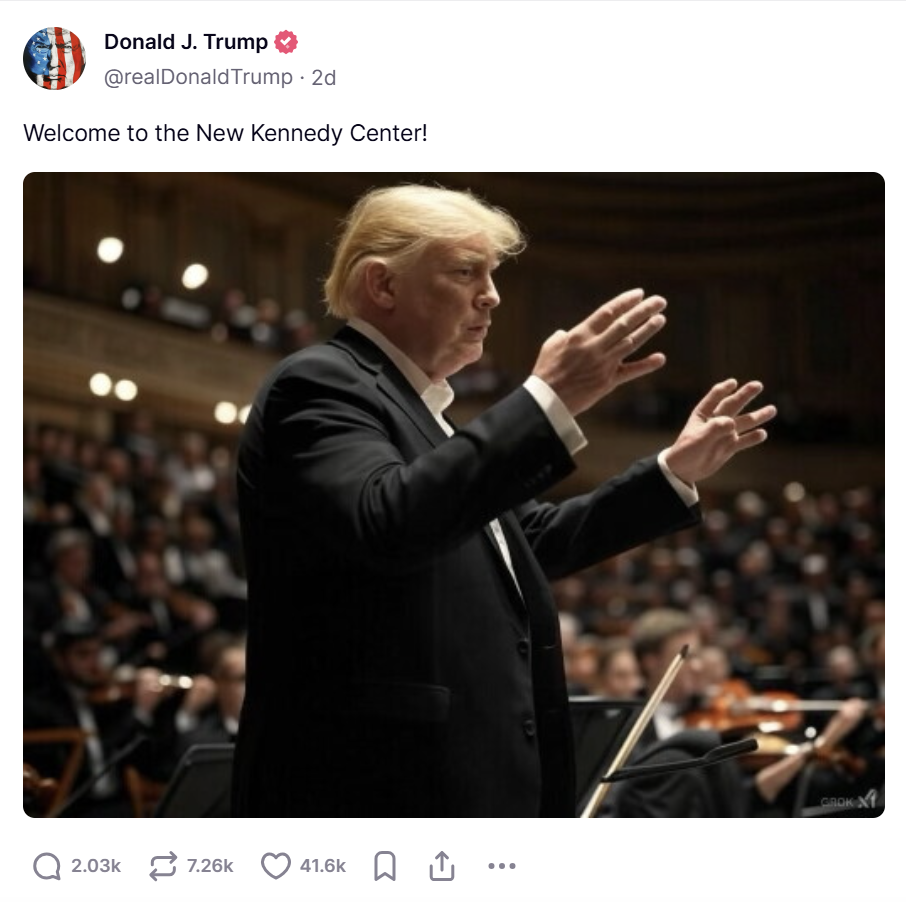
My man is having AI-fueled hallucinations of following in the footsteps of Stokowski, Mitropolous, and Boulez and conducting without a baton. When you have a black sense of humor, this is among the most hilarious things you’ve ever seen.
But it’s also more than blackly hilarious. The power grab is legitimately consequential. Most people do not seem to grasp that the Kennedy Center and the organizations affiliated with it do so much more than mount an annual Honors ceremony.
The Kennedy Center is a massive organization! According their 990s, it boasts over $630 million in assets.6 The Center houses the National Symphony Orchestra and the Washington National Opera, and it hosts over two thousand performances a year.
There will be so many consequences here. Here’s just one, and I haven’t seen it reported out yet: contracts are going to have to be broken if programming is going to be dictated. These major performing arts centers plan out for a long, long time. Who’s going to be addressing the fallout from that? And remember, programming at the Kennedy Center is paid for by donors, not the government. People have donated to the Kennedy Center assuming they’d get a return on their investment in the programming, and it’s unclear whether they’ll swallow the changes the President has in mind.
Interlude: Ric Grenell Just Was Named Interim Executive Director, And Nothing May Ever Make Sense Again
While I’ve been writing this, the President just truthed out on Truth Social that Ric Grenell is now the “interim executive director” of the Kennedy Center. 7
One problem: there is no such position, as the Washington Post notes tonight: 8
The announcement added to the confusion that has engulfed the Kennedy Center since Friday. The institution does not have a position with the title executive director. Deborah Rutter is the center’s president. It wasn’t immediately clear whether Trump was replacing Rutter or creating a new position for Grenell.
Neither the White House nor the Kennedy Center responded to questions to clarify the role and responsibilities.
And yes, when I say Ric Grenell, I mean that Ric Grenell, the former ambassador to Germany who faced criticism for aligning himself with the far-right in that country, as well as the former Acting Director of National Intelligence, because I think we can all agree, it’s great for performing arts center board chairs to have once overseen the CIA without ever having been confirmed by the Senate.9
I don’t know why he was plucked out of Trumpworld for this job. I don’t think anyone does. The President said tonight in the Oval Office that “Ric has some experience in that world.”10 What is that “experience”? What is “that world”? Homosexual encounters? The theatre? I don’t know.
Anyway, this man was floated as a Secretary of State candidate a few months ago. Now he’s being welcomed to show business in all-caps. That’s life on the Trump train, baby.
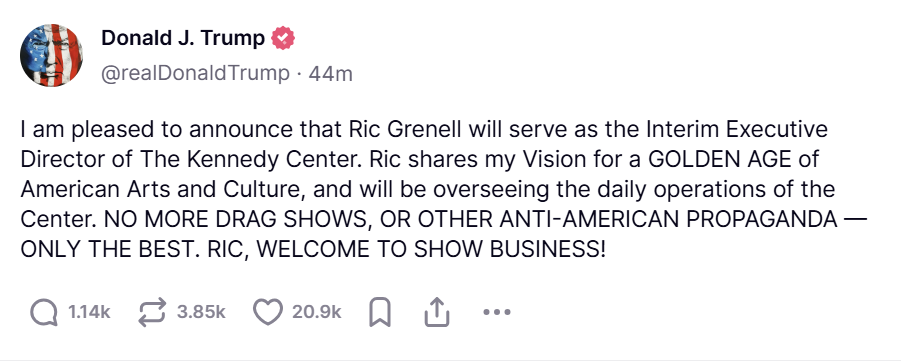
Welcome home, Ric!
Okay. Anyway. As I was saying…
But Orchestras Aren’t Involved In This, Right? (…Right?)
In 1986, the National Symphony Orchestra became an artistic affiliate of the Kennedy Center, where it had been playing concerts since 1971.
The National Symphony Orchestra ratified its latest contract with musicians in September 2024. 11 A four-year contract with a total raise of thirteen percent had been tossed around, but the two sides ultimately agreed to a two-season contract, with a four percent raise in the 2024-25 season and another four percent raise in the 2025-26 season.
In its statement announcing the deal, the Kennedy Center wrote, “This 18-month contract will provide all parties time to come together to settle a longer-term agreement that demonstrates our respect for their artistic contributions and maintains the orchestra’s competitiveness in the field.” Negotiations for the next contract are set “to commence in early 2026.” 12
That means that whoever is in charge of the Kennedy Center is going to be involved in the National Symphony’s next set of negotiations, and those are going to start soon.
Well, you might say. They’ll just sidestep Ric Grenell or POTUS and negotiate with whoever negotiated that last contract! She is presumably sane, since the musicians were able to come to an agreement with her six months ago!
There’s only one problem: Deborah Rutter is the CEO, and she will be leaving the Kennedy Center “at the end of the year.” 13 14
She has said, at least publicly, that this wasn’t due to the election results. In late January, she told the Post about her departure:
“This is not related to the politics of who’s in the White House. The Kennedy Center is truly nonpartisan… Frankly, for the last six years, I’ve had almost all Trump appointees as my board members. And we’ve had a fantastic era with them.”
Yes. We certainly have.
As the Washington Post notes tonight, it’s possible that Ric Grenell is meant to replace Rutter, because POTUS doesn’t understand the structure of the Kennedy Center, or that the board chair and the Kennedy Center president are two separate roles, but all of that is TBD.
However, assuming that they get the roles ironed out and Grenell leads the board and Rutter stays in place as president until the end of the year, who hires her replacement? Who’s the one who’s in charge when the NSO negotiations start? The board.
You see where this is going. Suddenly the makeup of the Kennedy Center board becomes intensely relevant to the entire orchestra world. If POTUS ultimately succeeds in turning the board MAGA, they will have the votes not only for a board chair, but for the next Kennedy Center president, too. Or maybe they will vote to reorganize entirely, and name Donald Trump their lifetime god king. Who knows? The possibilities are endless.
What qualified independent-minded potential Kennedy Center president would want to yeet themselves face-first into this mess? Here’s my prediction. Whoever comes after Rutter will not be a top-tier candidate. That person will be a pathetic, likely self-loathing sycophant, and someone who smiles when they cash big checks.
But My Orchestra Won’t Be Involved, Right? (…Right?)
The National Symphony Orchestra is one of the wealthiest orchestras in the country, and other big orchestras look to it for cues.
If Trump-led negotiations go south in early 2026 and the musicians are forced to swallow cuts, that could, theoretically, embolden other ensembles to go down similar paths. The NSO’s salary being slashed wouldn’t pull the entire industry’s ceiling down on its own, but it certainly won’t help.
We may also start seeing MAGA-friendly donors noticing what is going on at the Kennedy Center and deciding they have a prerogative to copy from its budgetary playbook in their own communities.
We saw a version of this dynamic after the Detroit Symphony’s six-month musician strike in 2010. The Minnesota Orchestra board and management watched the goings-on in Detroit closely and gleaned lessons from it, which they then attempted (with varying levels of success) to apply during the sixteen-month musician lockout they imposed between 2012-14.
In addition, donors may well take note of Trump’s power over programming in D.C., and come back to their own boards and ask, why don’t we have that power here?
Unless there is a strong organizational culture truly committed to things like diverse programming, be prepared for the atmosphere to change. That Florence Price you’ve been enjoying these past few years? If someone richer than you doesn’t like it, too bad. Performances by historical women composers generally? What backstop is there if the board chair thinks that unfamiliar music by women is woke, and that we’ve been straying too far from Beethoven? You can easily imagine snippets of conversation over cheese and crackers at donor receptions in green rooms: By the way, have you seen what they’ve been doing at the Kennedy Center? A bold approach, no? They were a little brutal about it all, but audiences never really cared that much for DEI, anyway...
The Performing Arts Needs Artists
I grew up assuming that orchestras exist because people love music and they want to make something bigger than themselves. In small towns, I think that’s the primary reason they survive. But in big cities, it’s just one reason among many. The major American orchestras exist not only to create music, but to create value for very wealthy people: cultural value, social value, and economic value. They also exist to demonstrate power, provide opportunities for philanthropists to socialize, and make the area more attractive to business and potential employees. We may be entering an era – if we haven’t entered it already – where the latter kind of considerations outweigh the former, in ways that will be a struggle to counteract.
The origins of the Minneapolis Symphony, precursor to the Minnesota Orchestra, speak to this point. In 1893, a twenty-something conductor and soprano named Anna Schoen-René emigrated to Minnesota. She soon began mounting massive classical music and operatic concerts for thousands of people. Unfortunately, she came into conflict with the Minneapolis Commercial Club, consisting of the local titans of industry, who wanted to create a concert series under their own control. The primary goal of their series wouldn’t be artistic; it would be economic. And the market wasn’t big enough for both Schoen-René and the Commercial Club to succeed. The two sides did expensive battle for several years. Schoen-René fared remarkably well before ultimately deciding she’d had enough and leaving Minnesota altogether. Emil Oberhoffer, a musician who cast his lot with the local industrialists, became the first music director of the Minneapolis Symphony in 1903. 15
In the end, it all worked out for Minnesota. But my God, it took the labor of generations of artists. A balance has to be struck between the artists and the affluent. The President is clearly incapable of striking it.
And you know what? I’m not even touching the consequences of the DEI-related executive orders, cuts to NEA grants, potential changes in the tax code, etc. Somebody smarter than me can take all that on. Maybe someone at the New York Times, someday.
Final Thoughts
I know that there is an ungodly amount of happenings happening right now.
I know that many people are hurting and afraid.
I know that against the background of constitutional apocalypse, the petty power struggles of billionaires in board rooms is awfully low on the priority list. And maybe it should be. I don’t know.
But I can’t help but wonder, if the President has no above-board way to be elected chairman of the Kennedy Center, but proceeds to do it anyway, and everyone within that organization and the country treats it as a settled matter…
What’s the next step?
How does he push the envelope beyond that? Because he’s always going to keep pushing the envelope. That’s all this man has ever done.
If he succeeds here, what will keep the President from declaring himself chair of other non-profits in the future?
What happens to the Smithsonian, by the way? Do they get a board coup, too, if the Kennedy Center ends up rolling over?
Would the Trumpian appetite for acquisition extend to other organizations outside of Washington? Will it extend to private organizations? Private companies? Or will the President’s thirst for conquest be quenched by a gala performance of non-woke Cats? How did I find myself in a world where I just typed that sentence?
I am more cynical than I have ever been in my life. But I still suffer from a failure of imagination when it comes to the President. So I think all of these questions are worth contemplating, even as there are so few answers.
Here’s one last question. What are Americans – and, specifically, the employees, donors, board members, and patrons at the Kennedy Center – going to do about any of this?
Notes
- https://truthsocial.com/@realDonaldTrump/posts/113964959500715895 ↩︎
- https://www.nytimes.com/2025/02/10/arts/music/trump-kennedy-center-board-removed.html ↩︎
- https://www.washingtonpost.com/entertainment/2025/02/08/kennedy-center-trump-board-explainer/ ↩︎
- https://youtu.be/B_lYizr5CL8?si=9e1mvdOpmP83Aq-l&t=393 ↩︎
- https://www.guidestar.org/profile/53-0245017 ↩︎
- https://truthsocial.com/@realDonaldTrump/posts/113981872435350592 ↩︎
- https://www.washingtonpost.com/entertainment/2025/02/10/trump-kennedy-center-richard-grenell/ ↩︎
- https://en.wikipedia.org/wiki/Richard_Grenell ↩︎
- https://bsky.app/profile/atrupar.com/post/3lhudnteiks25 ↩︎
- https://www.nytimes.com/2024/09/27/arts/music/national-symphony-orchestra-strike-gala.html ↩︎
- https://www.kennedy-center.org/news-room/press-release-landing-page/nso-reaches-agreement-with-kc/ ↩︎
- https://www.washingtonpost.com/entertainment/2025/01/27/kennedy-center-rutter-stepping-down/ ↩︎
- https://www.kennedy-center.org/news-room/press-release-landing-page/kennedy-center-president-deborah-rutter-to-step-down/ ↩︎
- https://songofthelarkblog.com/2017/11/29/how-anna-schoen-rene-nearly-founded-the-minnesota-orchestra/ ↩︎


 Song of the Lark